.png)
Current Venezuela Oil Production — A Chart-Ready Snapshot
Venezuela Oil Production (2018–2025)| Year | Average Production (Million bpd) |
|---|---|
| 2018 | 1.3 |
| 2019 | 1.0 |
| 2020 | 0.6 |
| 2021 | 0.6 |
| 2022 | 0.8 |
| 2023 | 0.8 |
| 2024 | ~0.95 |
| 2025 | ~1.1 |
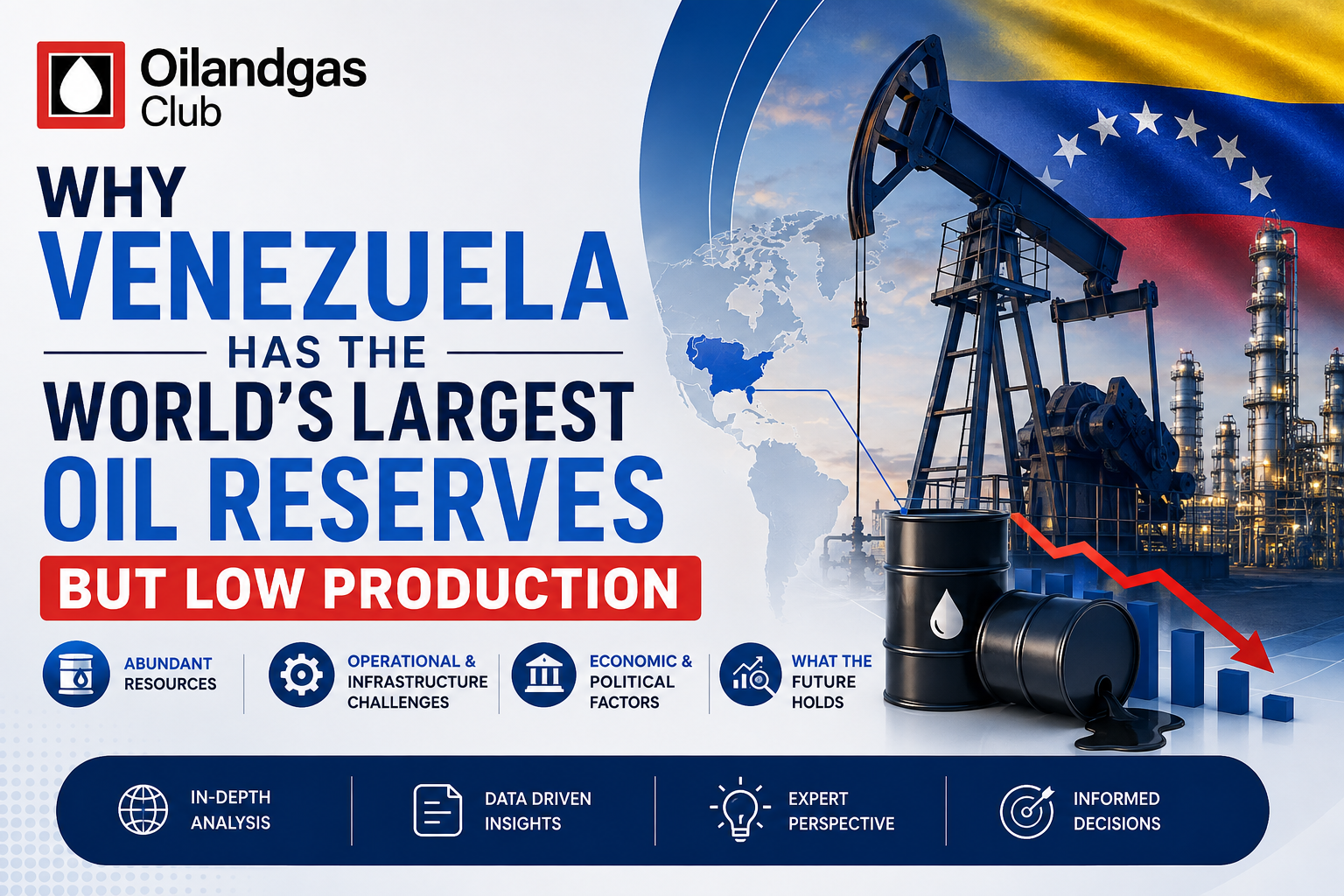
📊 Venezuela’s crude output remains far below historical highs (over 3 million bpd in the late 1990s–2000s) due to mismanagement, sanctions, and capital shortages.
Insight: Despite modest gains in recent years, production hasn’t returned to pre-sanctions levels.
Why Foreign Investment Matters for Venezuela
Oil production—especially heavy oil—requires:
-
Continuous drilling
-
Advanced recovery techniques
-
Reliable infrastructure
-
Large capital investment
Venezuela lacks sufficient funding and technology to recover production alone. This is why foreign investment is essential, not optional.
PDVSA and the Investment Bottleneck
Venezuela’s national oil company, Petróleos de Venezuela S.A. (PDVSA), controls most upstream operations.
Key PDVSA Challenges
-
Aging wells and facilities
-
Limited access to capital
-
Equipment shortages
-
Skilled workforce migration
-
Politicized management
Foreign companies are needed to:
-
Fund drilling programs
-
Upgrade surface facilities
-
Improve recovery factors
Is Venezuela Legally Open to Foreign Investors?
Short Answer: Yes, but with limits
Venezuela has signaled openness to:
-
Increased foreign participation
-
Flexible joint venture structures
-
Greater private-sector involvement
However:
-
PDVSA usually remains the majority partner
-
Contract terms lack long-term stability
-
Regulatory enforcement is inconsistent
Legal openness does not guarantee investor security.
Impact of Sanctions on Foreign Investment
International sanctions remain the single biggest obstacle.
Sanctions Effects
-
Limits on financing
-
Restrictions on oil exports
-
Difficulty importing diluents for heavy oil
-
Barriers to profit repatriation
Some foreign firms operate under special licenses, but these can be changed or revoked, increasing investment risk.
Who Is Investing in Venezuela Today?
Despite risks, some foreign involvement continues.
Active Foreign Participation
-
Chinese companies – financing, field services, crude offtake
-
Selective Western firms – limited upstream and recovery operations
-
Regional service providers – maintenance and drilling support
These investments focus on short-term production recovery, not large greenfield developments.
Venezuela vs Other OPEC Producers
Venezuela is a founding member of OPEC, but its output tells a different story.| Country | Oil Reserves (Billion Barrels) | Production (Million bpd) |
|---|---|---|
| Venezuela | ~303 | ~1.1 |
| Saudi Arabia | ~267 | ~10.0 |
| Iraq | ~145 | ~4.3 |
| UAE | ~111 | ~3.0 |
Key Lesson:
Large reserves mean little without investment and stability.
Technical Barrier: Heavy Oil Dominance
Most Venezuelan crude comes from the Orinoco Heavy Oil Belt.
Heavy Oil Technical Challenges
-
Very high viscosity
-
Requires dilution or thermal recovery
-
Low natural recovery factor
-
High operating costs
Typical Recovery Factors
-
Heavy oil fields: 8–12%
-
Light oil fields: 30–40%
Without foreign technology and capital, recovery remains limited.
What Type of Investment Is Realistic Now?
Most Likely Investment Models
✔ Joint ventures with PDVSA
✔ Service-based contracts
✔ Incremental brownfield recovery
✔ Short-term production optimization
Least Likely (for now)
✖ Large greenfield developments
✖ Full foreign ownership
✖ Long-term mega projects
Is Venezuela Truly “Open” to Foreign Investment?
The Balanced Answer
Yes, in principle
-
Government rhetoric supports investment
-
Some legal flexibility exists
-
Foreign firms are active
No, in practice (fully)
-
Sanctions remain
-
Political risk is high
-
Infrastructure is degraded
-
Contract stability is uncertain
Conclusion
Venezuela’s oil sector is partially open to foreign investment—but only for companies willing to accept high risk and limited control.
For international oil companies, Venezuela represents:
-
Huge geological potential
-
Major political and operational risk
Until sanctions ease and regulatory stability improves, foreign investment will remain selective and cautious, rather than transformative.
Technical Summary (Engineers)
Heavy oil viscosity: 10,000+ cP
Diluent dependency: critical constraint
Decline rates unmanaged: 15–25% annually
CAPEX requirement for recovery: >$50–70 billion
.jpg)