Pipesim can be used for Production Engineering to create Nodal Analysis Production Optimization Tubing Design and it is also used for Reservoir Engineeringto predict IPR Analysis and also used to design Artificial Lift such as ESP Design Gas Lift Design to improve the well performance and many other benefits.
One of the reasons PIPESIM has become a widely adopted engineering tool is its versatility. The software is not limited to a single task or department; instead, it supports a wide range of applications throughout the oil and gas industry. From evaluating the performance of a single well to analyzing an entire production network, PIPESIM helps engineers make informed decisions based on technical analysis and simulation results.
One common application is well performance analysis. When a producing well experiences a decline in production, engineers often use PIPESIM to investigate possible causes. For example, a reduction in reservoir pressure, increasing water production, tubing restrictions, or higher surface backpressure can all affect production rates. By simulating these conditions, engineers can identify the most likely source of the problem and evaluate possible solutions.
Well Performance Analysis
One of the most common uses of PIPESIM is evaluating well performance. During the life of a well, production rates rarely remain constant. Reservoir pressure declines, water production increases, and production equipment ages over time. When production begins to drop, engineers need to understand the reason behind the decline.
Instead of immediately making changes in the field, engineers can build a PIPESIM model and investigate different scenarios. By adjusting operating conditions and comparing simulation results, they can identify potential causes and evaluate possible solutions before spending money on field interventions.
Nodal Analysis
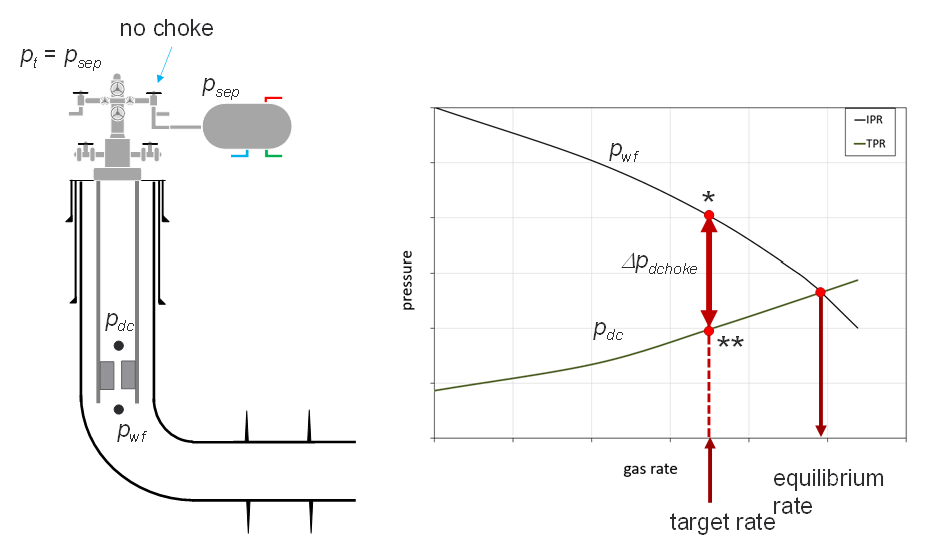
Nodal analysis is one of the most common applications of PIPESIM. This technique is used to evaluate the performance of a production system by dividing it into two sections: inflow from the reservoir to the bottom hole and outflow from the bottom hole to the surface. By analyzing these two components separately, engineers can determine the operating point where the inflow and outflow curves intersect. This nodal analysis helps to design the well with optimum production.
This is where nodal analysis becomes useful. By comparing the inflow coming from the reservoir with the outflow moving toward the surface, engineers can identify where the restriction exists. The point where both curves meet represents the actual operating condition of the well. In practical terms, it helps engineers understand what is limiting production and what changes may improve performance.
Is the reservoir no longer providing enough energy? Is the tubing creating too much pressure loss? Or is the wellhead pressure too high?
This is where nodal analysis becomes useful. By comparing the inflow coming from the reservoir with the outflow moving toward the surface, engineers can identify where the restriction exists. The point where both curves meet represents the actual operating condition of the well. In practical terms, it helps engineers understand what is limiting production and what changes may improve performance.
Artificial Lift Design
As oil and gas fields mature, reservoir pressure often declines, reducing the natural energy available to move fluids to the surface. In such situations, artificial lift systems are commonly installed to maintain or increase production. PIPESIM allows engineers to evaluate different artificial lift methods and predict their performance before implementation.
By simulating various operating conditions, engineers can determine whether an artificial lift system is required and identify the most suitable option for a particular well. This reduces uncertainty and supports more effective production planning.
ESP DesignMany wells produce naturally during the early years of their life. However, as reservoir pressure declines, production rates often begin to fall. Instead of accepting lower production, operators usually look for ways to help the fluid reach the surface more efficiently.
One of the most common solutions is an Electric Submersible Pump (ESP). Before installing an ESP, engineers want to know whether the investment will actually improve production and whether the selected pump is suitable for the well conditions.
This is where PIPESIM becomes valuable. Engineers can test different pump depths, production rates, and operating conditions without touching the actual well. In a few minutes, they can evaluate multiple scenarios that would otherwise require significant time and cost in the field.
Gas Lift DesignGas lift is another popular artificial lift method, particularly in wells where ESP installation may not be practical. PIPESIM can be used to evaluate gas lift performance by analyzing the effect of gas injection on well productivity.
Through simulation, engineers can estimate gas injection requirements, determine optimal injection depths, and evaluate different operating scenarios. These studies help maximize production while ensuring efficient use of available gas resources.
Flow Assurance
Maintaining uninterrupted fluid flow is a major challenge in many oil and gas operations. As fluids move through wells, flowlines, and pipelines, changes in pressure and temperature can lead to issues such as hydrate formation, wax deposition, scale buildup, and liquid accumulation.
PIPESIM helps engineers identify potential flow assurance risks before they become operational problems. By understanding how pressure and temperature vary throughout the production system, operators can implement preventive measures that improve reliability and reduce downtime.
Pipeline Analysis
Pipeline and flowline performance can have a significant impact on overall production. PIPESIM allows engineers to evaluate pressure losses, flow rates, and fluid behavior within pipelines under various operating conditions.
These analyses are often performed during the design stage of new projects as well as during ongoing operations. Engineers can compare different pipeline diameters, operating pressures, and production scenarios to identify the most effective design or operating strategy.
Network ModelingModern oil and gas fields often consist of multiple wells connected through gathering systems, flowlines, manifolds, and processing facilities. PIPESIM enables engineers to model these complex networks and evaluate how changes in one part of the system affect overall field performance.
Network modeling is particularly useful when planning production increases, optimizing facility utilization, or evaluating future development scenarios. By simulating the entire production network, engineers can make decisions based on a complete understanding of system interactions rather than focusing on individual components alone.
The ability to support all these applications within a single platform is one of the reasons why PIPESIM remains an essential tool for production and facilities engineers across the oil and gas industry.
Production OptimizationPerhaps one of the most valuable applications of PIPESIM is production optimization. Engineers are constantly searching for ways to increase production while maintaining safe and efficient operations.
By testing different operating conditions in a simulated environment, they can evaluate the effect of changing tubing sizes, wellhead pressures, artificial lift settings, and production targets. This allows operators to make informed decisions based on engineering analysis rather than assumptions.

.jpg)
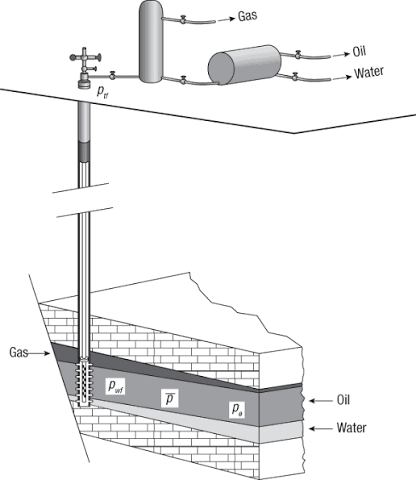
 A workspace contains all of the data for a model. There are two types of workspaces: network
centric and well-centric. The well-centric workspace mode is essentially a subset of the network
centric mode that simplifies the user interface by showing user interface elements relevant only to
well modeling applications. Both workspace types use the same model file format.
A workspace contains all of the data for a model. There are two types of workspaces: network
centric and well-centric. The well-centric workspace mode is essentially a subset of the network
centric mode that simplifies the user interface by showing user interface elements relevant only to
well modeling applications. Both workspace types use the same model file format.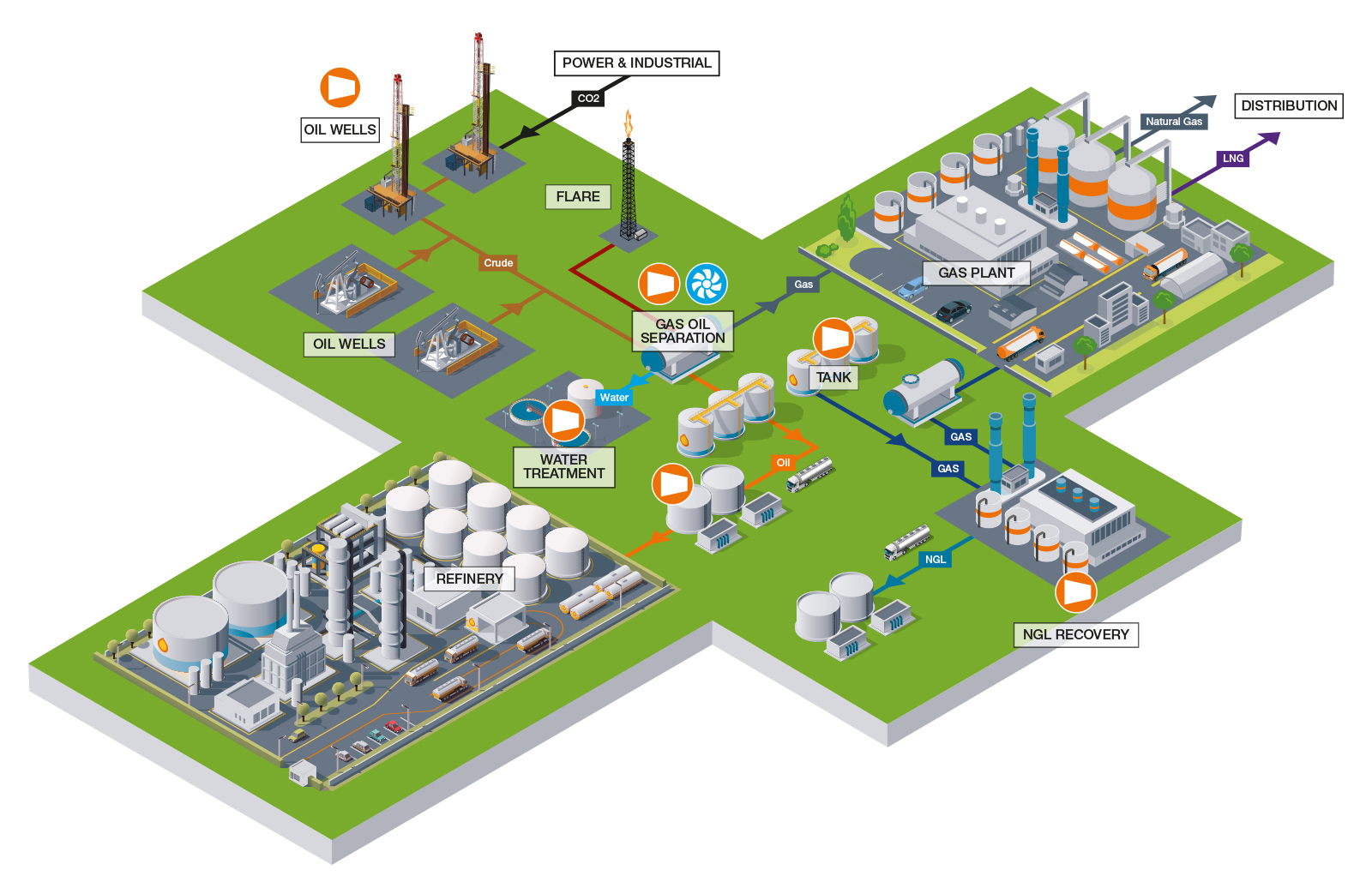 Years ago, many production decisions were based heavily on field experience, engineering calculations, and operational observations. While those methods are still important today, modern oil and gas operations have become significantly more complex. Wells are deeper, production systems are larger, and operators are under constant pressure to improve efficiency while controlling costs. As a result, production system modeling has become an essential part of engineering workflows.